



















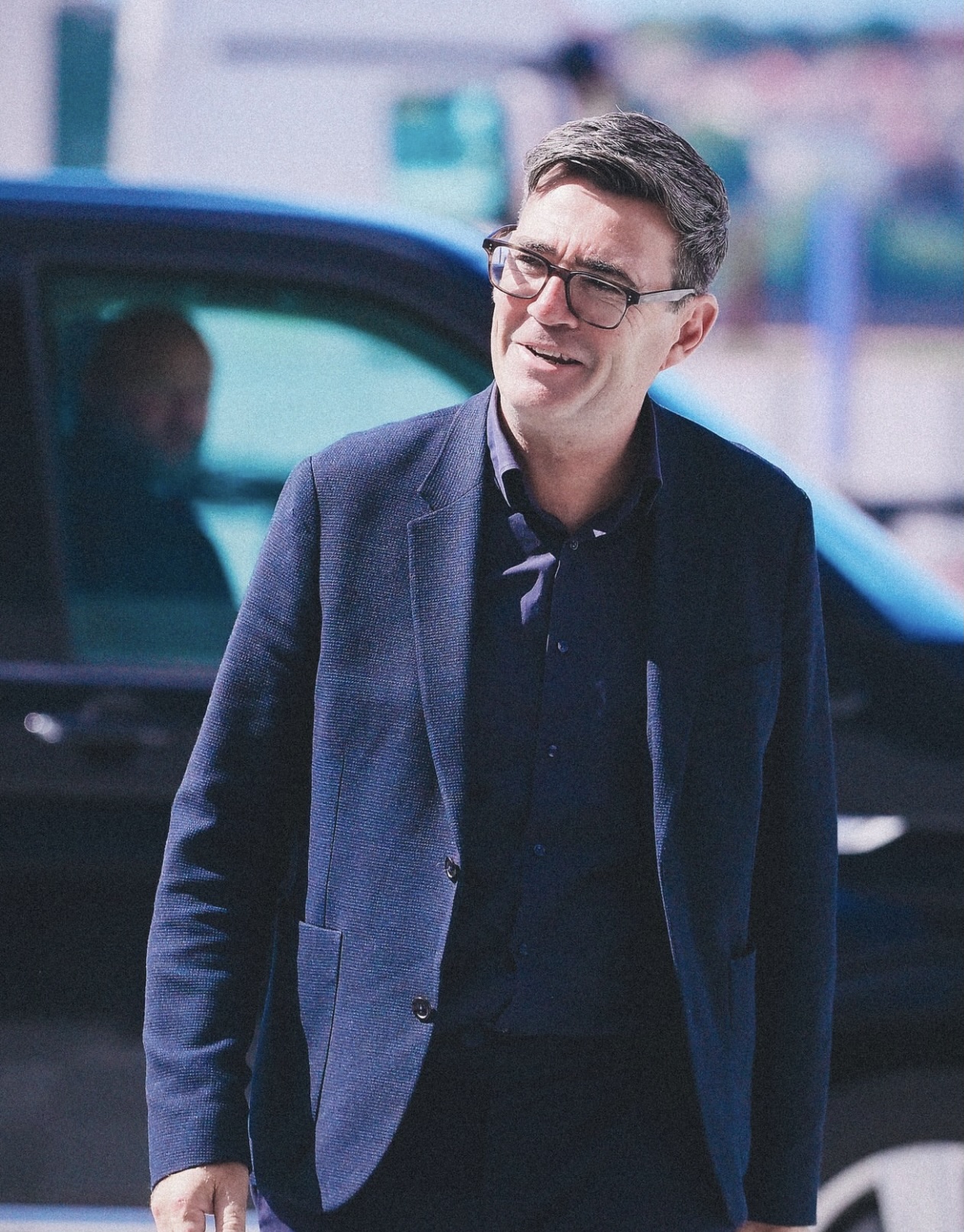
On June 18, 2026, Andy Burnham, the mayor of Greater Manchester in the North of England, ran and won in a by-election to fill the seat of Member of Parliament (MP) Josh Simmons. With 24,927 votes, Burnham defeated far-right candidate from Reform UK, Rob Kenyon. Prior to this election, in May of this year, local elections took place that resulted in the Labour Party losing over 1,000 council seats to a seemingly unstoppable Reform UK led by the ever-punchable and corrupt Nigel Farage. The prime minister at the time, Keir Starmer, was seen as primarily responsible for these losses.
Starmer was never accused of being the most effective legislator, the best orator or having a backbone. He pledged nearly $3 billion a year to Ukraine for “as long as it takes,” nationalized British steel to save it from bankruptcy and made inroads with the European Union after years of Brexit-induced trauma and anger. That is generally seen as the extent of Starmer’s leadership capabilities and successes. He is, however, going to be known historically as the man who proscribed the group Palestinian Action, designating them a terrorist organization. This meant that anyone showing support for the group was arrested, making it effectively illegal to speak out against Israel’s genocide. By the end of April, over 3,000 people had been arrested, including an outstanding number of retirees, clergy and well-meaning mothers. On June 22, 2026, Starmer, the man who atrociously failed to deliver the first Labour government in over ten years, thankfully resigned in disgrace.
By July 16, 2026, Burnham, freshly elected to the House of Commons, received 379 MP nominations for leadership of the Labour party. Four days later, King Charles III asked Burnham to form a new government.
Burnham’s approach to leadership has been markedly different from Starmers. On the first day as prime minister, Burnham promised to “end rough sleeping”– homelessness– by the end of his tenureship. “No-one should have to bed down in a doorway or outside a station … I won’t accept it.” On Aug. 19 he unveiled his $497 million plan to have housing available to everyone sleeping on the streets by Christmas this year.
Burnham also created a new cabinet position, the minister for artificial intelligence (AI) whose goal it is to regulate, monitor, and be responsive to feedback on everything related to AI. The position is held by Kanishka Narayan who previously served as parliamentary under-secretary of state for AI and online safety.
Continuing on in his first week in office, he capped single route bus fares across the nation at $2.25 through the end of 2027. One of Burnham’s campaign promises was to create an economy that “works for everyone, not a few in far-off places.” On this, he announced pubs, live music venues and social clubs will receive an additional 20% off their business rates (local taxes) and homeowners would have their value-added tax (VAT) removed from their home electricity bills. Burnham also announced that the “triple lock”– which states that pensions will rise by inflation rate, wage increases, or 2.5% yearly– will be removed. This comes as more and more young people are forced to pay into the triple lock, as it concurrently becomes more expensive each year. With the money available in the economy after the triple locks removal, Burnham has lobbied to establish a “National Care Service” under the umbrella of the National Health Service (NHS) that exists today. This National Care Service serves as a proposal to the pensioners who are predominantly unhappy with the removal of the triple lock. If it follows Scotland’s model, this Care Service would include assistance with meals, mobility in the home, personal hygiene, medication and more.
Burnham showed through one specific cabinet appointment that he is more responsive to public opinion than Starmer was– his foreign secretary, Ed Milliband. Moving beyond the weak “condemnations” offered from Starmer and his government, Miliband announced full economic sanctions on every illegal Israeli settlement in the Palestinian west bank. “We will ban the import of goods from illegal settlements … disrupt the supply lines for British finance, British construction and British services for illegal settlements.” At the annual conference of the labour party, Milliband stated, “I want to say to the millions of people in this country, and indeed elsewhere, who have been moved and outraged by the plight of the Palestinian people, we hear you. You were right.”
During his long speech at the conference, Burnham announced a slew of policies for his next chapter in leadership. City and town councils will now have a far easier time taking over abandoned properties to be redeveloped into public housing, as well as giving councils stronger capabilities in taking housing away from neglectful landlords. Additionally, he promised a “repeal of Margaret Thatcher’s ideological ban on public ownership of water companies,” revealing a bill aimed at removing shareholders and private interests from access to water in England. Also coming back into the public fold is energy, with Burnham announcing the new publicly owned “Great British Grid.” Many of the rest range from a crackdown on illegal waste dumping sites, education reform at numerous levels, voting reform and much more.
Burnham dedicated much of his speech to his late father Rory who just recently passed away from Alzheimer’s with the prime minister stating, “The United Kingdom my dad represented is the one I believe in. A union of nations that gave trade unions and the cooperative movement to the world. The National Health Service. A country that stood up to fascism. A country of solidarity not separation. That’s the Britain my dad represented. Britain is not perfect. It can be better and we will make it so.”

Seth '28 is a Sustainability Studies and Business Administration major. He is part of the Muhlenberg Weekly, SGA, and Chapel Council. When he isn't writing, he is usually going for a walk, drawing, or doing work.