



















When I was in fourth grade, my friends and I made a fake commercial for a fake company, “Jones Insurance,” which we were to perform at the annual Jeopardy!-style “It’s Comprehensive” competition at school. I sported my red neck tie– our signature color, of course– and waited for my cue after the mimed car crash between my friends on stage. What I didn’t know at the time, was that my dad had taken time off of work to come and see our little skit, with his handheld video camera loaded up to capture it.
I wasn’t among the smartest of my peers who had been selected to represent our class in the trivia competition, nor was I ever anything more than mediocre at piano and guitar lessons to take those talents to the stage. I was just the “don’t be like those guys” fake insurance host in a bit we came up with at recess a few weeks earlier. But that didn’t matter to my dad– he showed up to cheer me on.
My journey at The Muhlenberg Weekly started quite suddenly. After expressing a general interest in layout, I was invited to attend the first production night of the semester to see how it’s done. Then I stayed– all night long. By 3 a.m., I had completed my first issue of The Weekly alongside a team of two other layout editors, and was invited back the next week.
While I admit my situation was unique, I nevertheless fall back on the key decision I made in August of 2022, which has flourished into four years with the paper; I made the choice to show up.
I’ve had the privilege of working with many journalists both on and off campus over the past few years. (Shoutout to all of the other editors and writers whom I’ve had the pleasure of working with over the past four years. Thank you for showing up for me.) A throughline of all of the advice I’ve received has been connection. There are people who rely on the television or radio as the only time they’ll hear another human’s voice all day telling them “good morning/afternoon.” There are people I’ve met and interviewed for whom I may have been the only person to shake their hand or greet them with a smile all day. And there are people who reach out to journalists because it feels like their last chance to be seen, heard and valued as the human beings they are, after being torn down by society, the government or their own community.
I’m reflecting on a book I read by Rabbi Sharon Brous called “The Amen Effect.” At its core, the amen effect is grounded in Brous’s “learn[ing] the power of saying ‘Amen’ to one another’s grief and joy, sorrow and celebration with our very presence,” she writes.
It’s this foundational idea that Brous also refers to as “sacred companionship–” that being among each other in the toughest of times and bearing witness to the countless injustices of the world is enough, for just a moment, to provide healing. It’s saying “Amen,” “you’re not alone,” “I see you,” “I hear you,” “I value you,” sometimes even without offering advice or wisdom or guidance. It’s prioritizing showing up with intention and listening deeply.
My advice to you is simple: show up. Go to the thing. Have the courage to enter spaces that may begin with healthy discomfort or might challenge your perspectives. That’s why they’re there. Dare to have enough empathy to say “Amen” to the words of another, whether or not you take on that responsibility alone. Sit in the front row so that when someone looks out onto the crowd, they don’t have to look far to know you’re there.
I have many times regretted missing a friend’s show, a lecture or an important event because my schedule was packed or I had too many things going on, or some other excuse of something that got in the way, but I have rarely regretted making the time– the effort– to go.
Ultimately, it’s up to you how to spend your time, and here at Muhlenberg, it feels like for every one event attended, there are two more missed. I urge you to take and make time, to choose your second choice, to know when to say “I’ll be right there” instead of “maybe next time.”
It’s challenging. But there are moments in which you’ll be the only one there to say “Amen,” to greet a stranger with a smile, to sit in a room of people who fundamentally disagree with you and listen to understand them, to stay up making a newspaper until 3 a.m. knowing you have Media & Society at 9:30 the next morning or to grab that early-2000s-era camera and stand at the back of the elementary school cafeteria beaming with pride.
And if doing it alone feels scary, just pretend I’m right there with you.

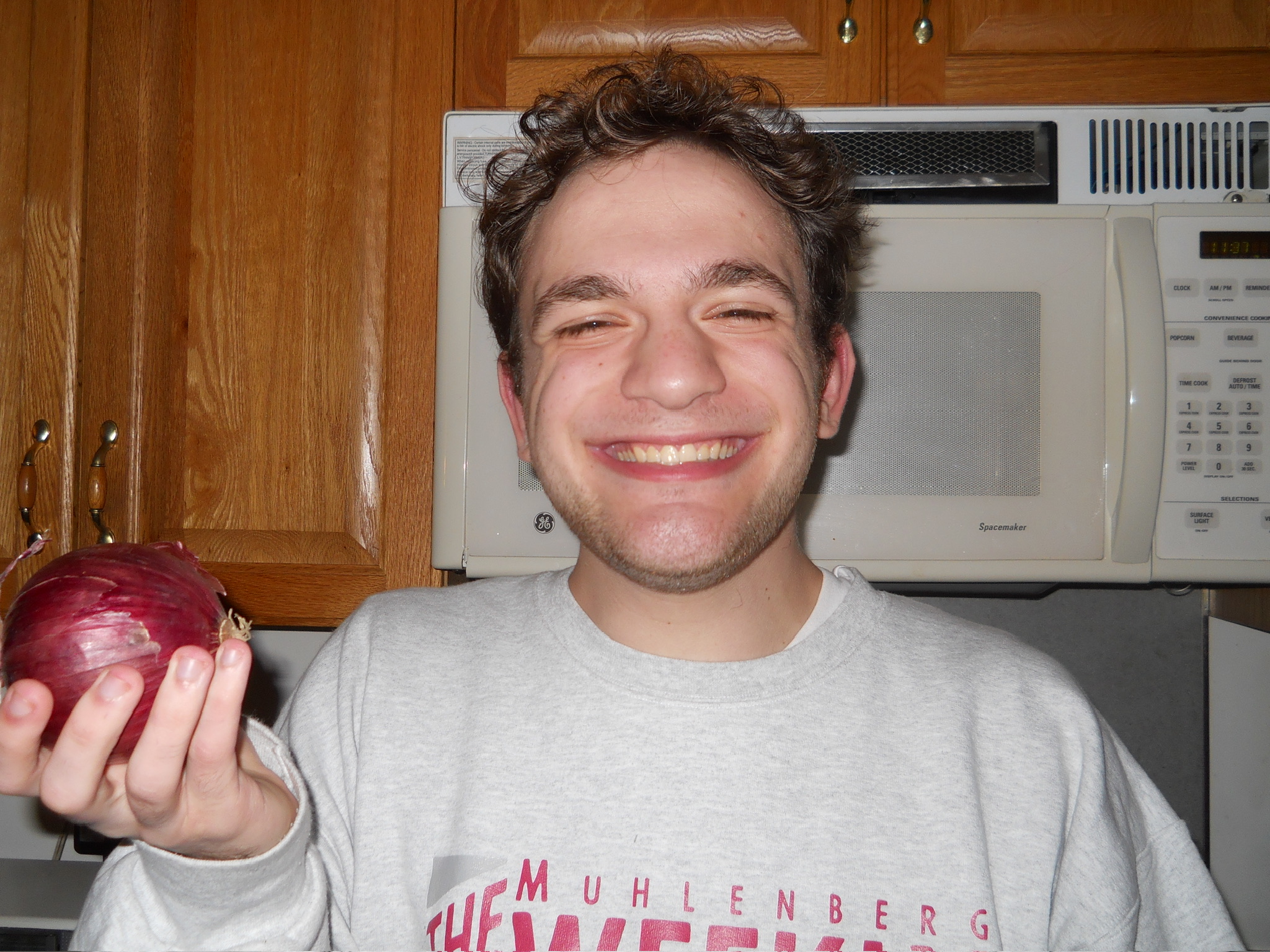
Harry Glicklin ‘26 is a media & communication and English double major who is absolutely jazzed to be a managing editor for The Muhlenberg Weekly. Outside of the office, Harry is a member of the Muhlenberg AcaFellas, the WMUH Allentown radio station, Hillel, a campus tour guide and writing tutor.