



















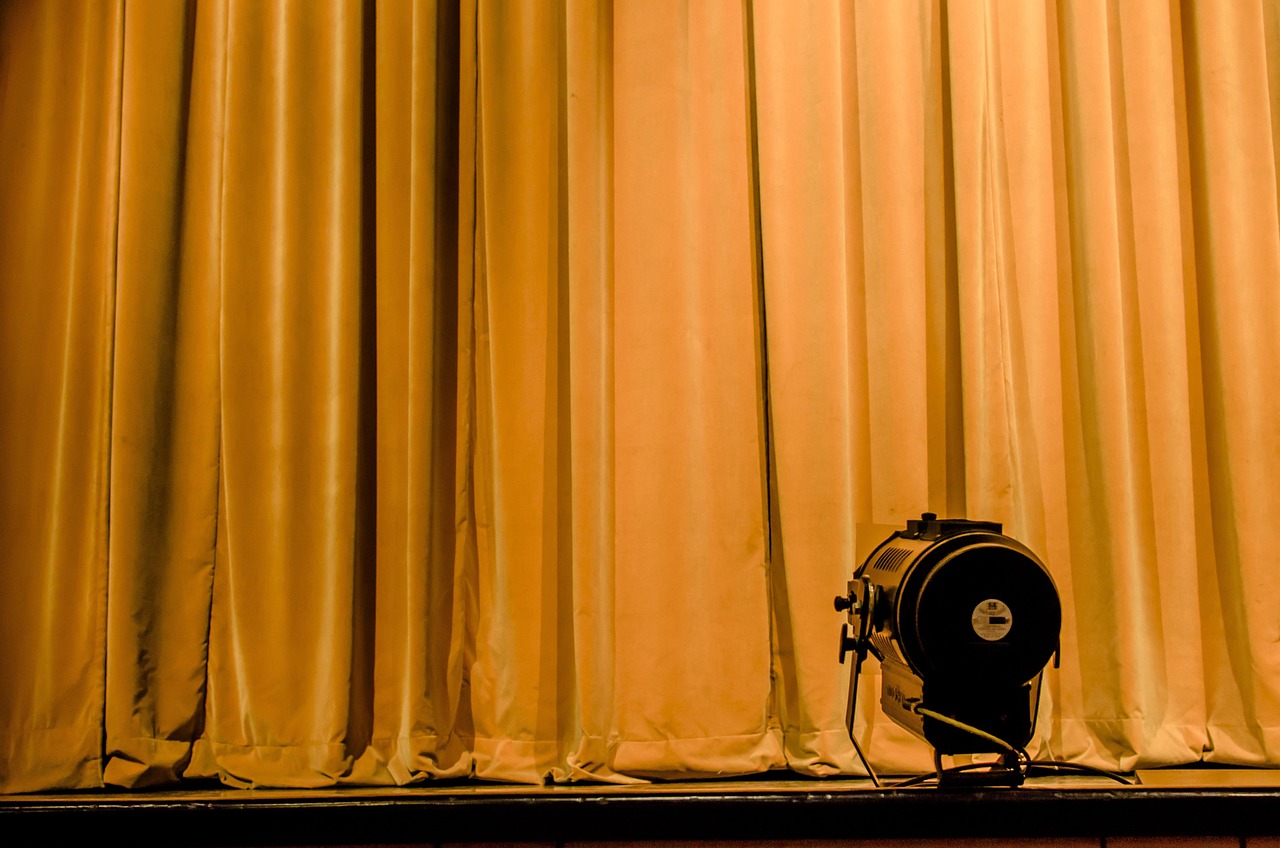
It seems the curtain is closing on artistic freedom in the United States of America, as President Donald Trump names himself chairman of the John F. Kennedy Center (The Kennedy Center), and appoints many of his close confidants and donors into executive positions on the theatre’s board. When Trump found his way back onto the presidential ballot after impeachment, losing the 2020 election and facing several criminal indictments, many communities feared the tyranny he would bring with him into a revengeful second term. While the theatre community is certainly not the most at risk when it comes to Trump’s rampage of executive orders and petty policies, I fear deeply that his ownership of The Kennedy Center sets the stage for an era of artistic censorship and marginalization within the performance community.
Trump made it clear that he and his team stand firm in their prohibition of “Anti-American” propaganda at the theatre, while also complaining about the “woke initiative” which previously ensued, specifically referring to drag performances. I am wondering what the established parameters will be for what is considered “Anti-American” and find myself asking why drag was targeted specifically in this context. At first, one may assume that the propaganda being referred to is direct critiques of the government as an establishment, but with drag on the forefront, it seems as though that is painfully optimistic: Trump is attacking any sort of “counter cultural” performance, or perhaps way more accurately, any sort of performance that negates his perception of the diversity of American experiences.
I recently had the pleasure of taking a tour of the National Theater in London, a predominantly government-funded center for the arts which works to produce a variety of entertaining theatrical works. The employees spoke about of their policy of remaining as non-partisan as possible due to their government connection, but also spoke extensively about inclusivity in performance and the importance of representation. The theatre is currently showing “Ballet Shoes,” a play retelling a classic story about found family and queerness; “Alterations,” a play about the 1970’s Guyanese experience; and several more. Although these plays don’t outwardly take a clear political stance for, or against England as a country, they achieve political relevancy by highlighting underrepresented voices. Therefore, it is clear to me that art can toe a line between blatant criticism and telling the truth. It is also then clear to me that Trump’s targeting of drag, which will lead to more restrictions on marginalized communities, comes less from a place of national pride and political paranoia and more from a place of hatred and intolerance.
I only wish he was less blatant in his attempts to forcibly suppress opposition and promote homogenization in the media and arts, as I fear it sets a dangerous precedent for confident fascism in other areas of law-making and general government control. Plus, the expected blind support from his followers are more than discouraging, as comments of encouragement flood his Instagram post declaring his chairmanship. This ignorant acceptance of such autocracy could lead us down a dangerous road.
If anything, this should tell you the true power of performance and the threat it holds to the conservative agenda. For any actor, writer or director like myself that has ever doubted the weight of their work in terms of its contribution to change, look at how the arts were targeted within a month of Trump’s inauguration. While it is a threat and a clear infringement upon our First Amendment right, it is also a call upon artists and performers to persist in their work and utilize their talents not only as an agent of progression, but as an effective amplifier of underrepresented voices that may need this spotlight now more than ever.
So in terms of us Muhlenberg students, the most I can say is to continue your involvement in the theater and dance department as well as all of the student-run organizations, produce as much of your own work as possible and think about what you are putting out on the stage and how it contributes to a national dialogue which conservatives will begin attempting to dominate throughout Trump’s term. Although it is easy to feel trapped in the echo chamber of our small liberal arts college, perhaps I’m optimistic in saying so, but I can’t help but consider the fact that we are creating in a swing state, where random audience members may be introduced to new perspectives. But even if you are just preaching to the choir, your work could inspire movement in addition to dialogue.
It is important to note that all theatre is commentary and all theatre is inherently political. It is a heightened recounting of lived experiences. Many look to the arts as a vessel for the spread of political and social awareness, but even outside of this, theatre and performance is an expression of authenticity and truth, and what is true is that many communities face persecution in our country that cannot be overlooked no matter how much Trump tries to cover his tracks with artistic censorship.

Megan ‘26 is a Theater Studies and English Literature double major with a minor in Film Studies. She is extremely grateful to have worked with the talented and passionate students on the Weekly staff since her first year. When she isn’t working in the production room, you can find her directing shows on campus, writing sketch comedy, leading the Muhlenberg Film Association, or enjoying a night with her friends.