



















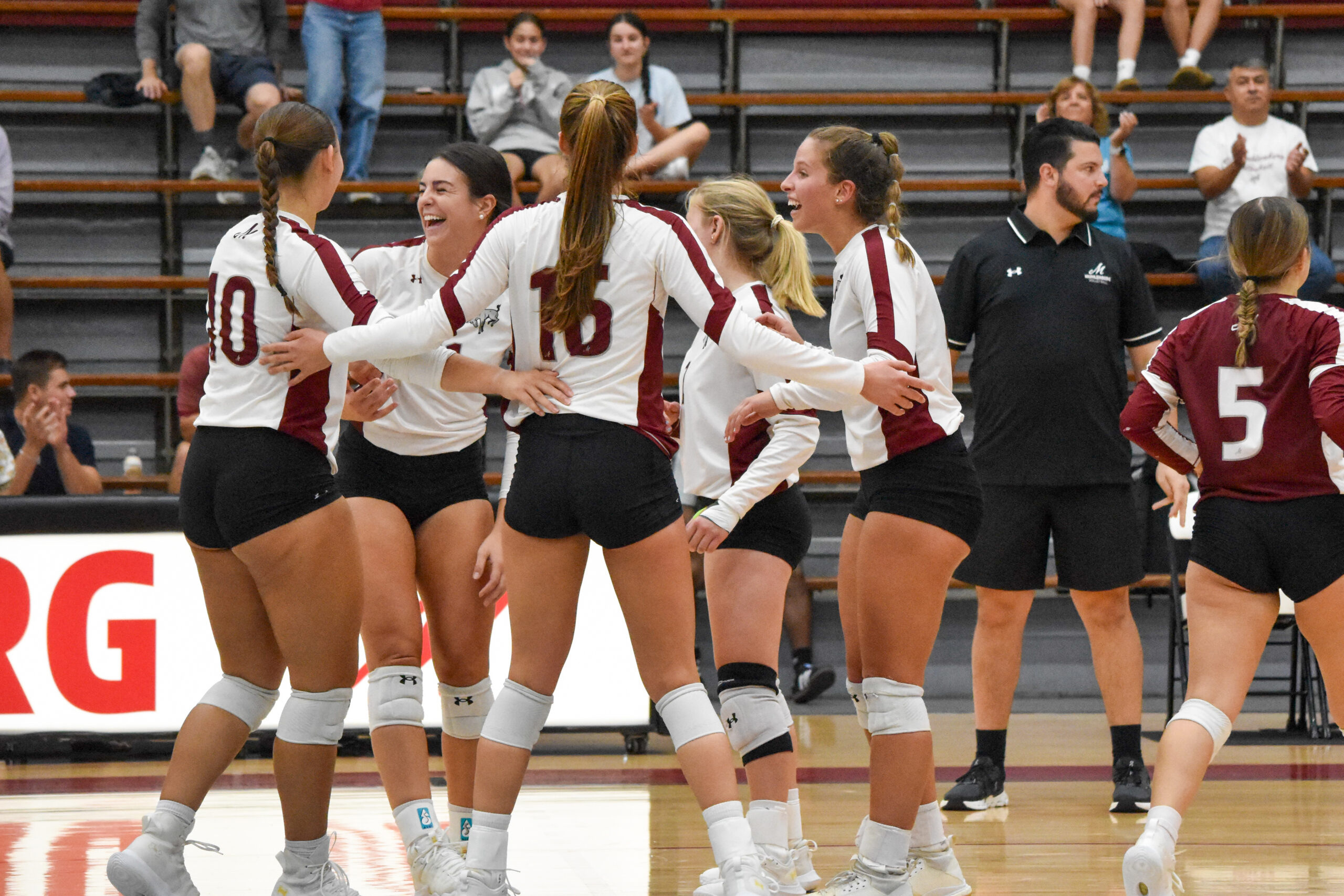
In the world of Division III athletics, the life of a student-athlete is often perceived as one of balance—dedicating time to academics while playing for the love of the game, rather than the lure of professional contracts or scholarships. Yet behind the scenes, these athletes face a grueling combination of physical, academic and emotional challenges, often without the robust mental health support systems found at larger institutions. The unique pressures of Division III athletics aren’t emphasized enough, and the mental health toll can be profound. At Muhlenberg College, several student-athletes opened up about their experiences, revealing the complex reality of competing at the collegiate level while striving to maintain their well-being.
For many athletes, the mental strain begins with the relentless pursuit of performance. Wrestler Ryan Fairchild ‘26 described wrestling as an all-consuming commitment. “Wrestling is one of the hardest things a person can do. You have to manage weight, practices, lifts, academic work, injuries and nutrition—all while trying to keep up with everything else life throws at you,” Fairchild said. Unlike team sports, wrestling places the responsibility for success or failure entirely on the individual. “There’s no one else to blame for a mistake. That kind of pressure can wear you down mentally,” he admitted. The intensity of his schedule, paired with the internal expectation that winning is the only acceptable outcome, often leaves little room for self-compassion.
This drive for perfection, while common in many sports, can quickly turn from motivation to a source of anxiety and burnout. Cross-country runner and former softball player Jamie Carfagna ‘26 reflected on her own struggles, explaining how the daily demands of practice, academics and other responsibilities eventually caught up with her. “When you have the same long practices every day, on top of schoolwork and other outside stressors, it feels like you’re drowning,” she said. Carfagna emphasized that sleep deprivation made everything worse. “Recovery became impossible when I wasn’t sleeping enough,” she added. For her, the physical exhaustion was only part of the challenge—the emotional burden of trying to meet both internal and external expectations weighed heavily on her mental health.
Burnout is an experience many student-athletes at Muhlenberg share. Lauren House ‘25, a member of the track and field team, described feeling depleted during her freshman year as she adjusted to the college environment. “The combination of a new training program, living on my own for the first time and managing my schedule without a lot of control over my meals left me feeling completely burned out,” she said. The pressure she felt was mostly internal, driven by her own high standards and perfectionist tendencies. “When I was younger, I would feel nervous for days before a meet. Now I’ve learned to manage it better, but it took a lot of active work on my mental health,” she explained.
Injuries add another dimension to the mental health struggles faced by athletes. The physical pain is challenging enough, but the emotional impact can be even more debilitating. Brendan Hughes ‘25, a baseball player, has dealt with chronic shoulder and elbow pain since his freshman year. “Not being able to perform at my best affects my mental health negatively,” he said. Hughes acknowledged feeling pressure to return to the field, but it was more self-imposed than external. “I just wanted to get back to be with my team and compete,” he admitted.
The sense of isolation that comes with being sidelined can be particularly painful for athletes whose identities are closely tied to their sport. One athlete, who wished to remain anonymous, described the emotional toll of suffering two season-ending injuries back-to-back. “My sport wasn’t an outlet anymore—it became a chore. Something I once loved started making me hate myself,” they revealed. The experience triggered severe anxiety and depression, a spiral that seemed impossible to break. “I thought I was hiding it well, but people around me saw that I wasn’t okay,” they shared. With the help of friends and a renewed focus on self-care, they began to regain control of their mental health. “I learned to appreciate where I am and focus on what I can control. That made all the difference,” they said.
Despite the growing conversation around mental health in athletics, many athletes still feel there is not enough targeted support at the college level. “Muhlenberg offers mental health resources, but we could really benefit from having a dedicated mental health professional embedded in the athletic department,” Carfagna suggested. She believes that having someone accessible and integrated into the daily routine would help break down the stigma around seeking help. House echoed this idea, advocating for more mental health education within teams. “If athletes could recognize the signs when they need help and know that their feelings aren’t something to be ashamed of, it would create a healthier environment for everyone,” she said.
The stigma surrounding mental health, especially with student-athletes remains one of the biggest barriers to change. Carfagna explained that the culture of toughness and resilience often prevents athletes from speaking out. “Many athletes fear being seen as weak if they admit to struggling,” she said. “We need to normalize these conversations and create supportive spaces where athletes feel safe to speak up.”
At its core, the challenge of addressing mental health in Division III sports lies in changing the culture– replacing silence with openness and fear with understanding. These athletes’ stories offer a glimpse into the realities of their lives, reminding us that even the strongest competitors sometimes need a hand. By advocating for change and breaking down barriers, Muhlenberg’s athletes hope to inspire a new generation to prioritize mental health just as much as physical performance. Asking for help, they’ve learned, is not only a sign of strength but an essential part of thriving both on and off the field.

Penelope '25 is pursuing a major in Business Marketing and Management, with a minor in Music. She plans to attend law school after completing her undergraduate studies. When she's not attending classes or contributing to the Weekly, you'll find her playing guitar, engaging in sports, or experimenting in the kitchen.