


















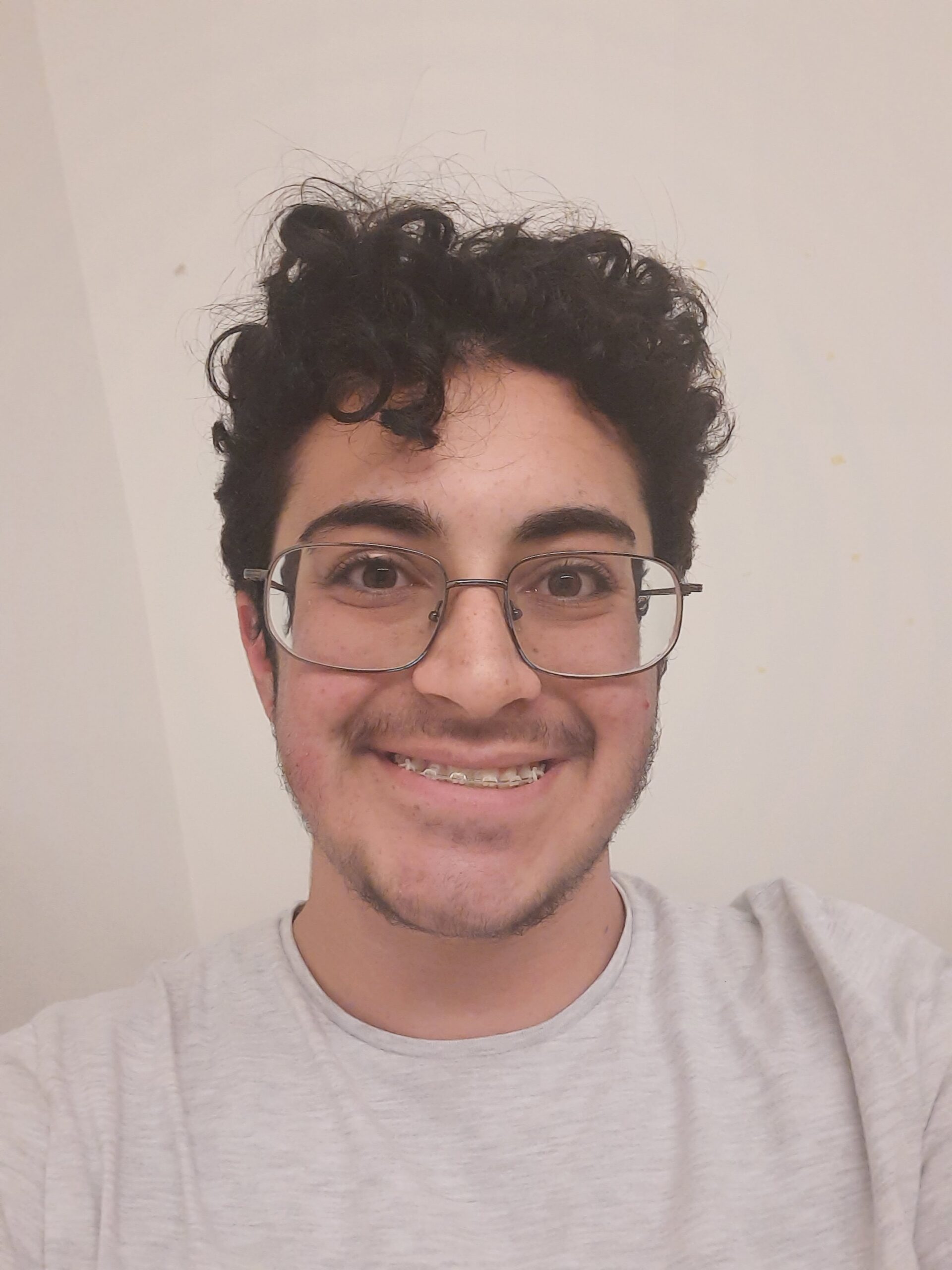
When I came out as nonbinary/transgender during the summer before my sophomore year of high school, I was terrified. Of course, I was worried about how my parents would react, but more importantly, I was worried about school. My older sibling was too. We came out to each other as trans at the same time and came out at school together as well. It was great to have each other certainly, but that is where the “great” part ended. Why? Because we were the only two genderqueer people that were out in the entire school district. That’s scary! How would people react? Would they accept us? Shun us? Beat us up? Would people use our preferred names and pronouns? Would they understand the language we were using to define ourselves? All these questions, and many more, circled through our minds as summer wound down and the first day of school loomed nearer.
Here’s the thing though: It shouldn’t have been that way. No one should ever be that scared to share an aspect of themselves with their community. No one should ever worry about being beaten up, or losing all their friends, or being disrespected by teachers and other authority figures. The question is, then, how do we change that? The answer is simple: education. If at any point prior to our coming out, identities like ours had been mentioned in the classroom, things would have been entirely different. Luckily, people generally reacted positively to my older sibling and me coming out, but that then added a new pressure: we were unofficially tasked with educating the entire community about everything queer.
“No one should ever worry about being beaten up, or losing all their friends, or being disrespected by teachers and other authority figures. The question is, then, how do we change that? The answer is simple: education.”
Now don’t get me wrong, I don’t mind doing that work. But I shouldn’t have to do all of it. There needs to be queer education in classrooms. In English class, let’s discuss the singular “they” pronoun. In history, let’s learn about the Stonewall riots and the AIDS epidemic. In science, let’s hear about intersex individuals… there are so many areas where queer culture and theory fit in, so let’s talk about it!
Now let’s talk puberty. In fifth-grade health class, we were split by biological sex and taken to separate rooms to watch videos about puberty. As a biological female, I learned about breast development and periods. I have no idea what the males learned about. What’s the problem with this? Not everyone goes through puberty one would assume they would. For example, I went through female puberty, as expected, during my mid-to-late teen years. But, when I turned 18 and started taking Hormone Replacement Therapy (HRT), I was catapulted into male puberty. I grew hair in weird places, my libido and appetite increased dramatically and my genitals grew and changed—none of which I would have been prepared for had I not done the research on my own. I should have been taught about these changes when I was in health class. Everyone should be taught about all aspects of puberty because you never know what puberty or puberties someone might go through. Additionally, someone who is intersex might go through aspects of both male and female puberty.
What about sex? Who remembers learning about sexual intercourse in school? “The penis enters the vagina and sperm is ejaculated through the tip of the penis. In order to prevent pregnancy, males must wear a condom.” Great. But what about people that are not straight? Who is going to teach them about safe (and pleasurable) sex? Sure, they can do their own research and find out those things on their own, but do we really want to leave sex education to the internet and porn? Not to mention, it is a clear case of discrimination by omission to only teach about heteronormative sexual practices.
We’re here, we’re queer, and we want inclusive education in schools. How much effort is it, really, to add in one lesson in the entire year about queer identities? Not much. And how much of a positive effect can it have on young queer people to hear their identities and feelings being normalized? A lot. So, educators, take a hint. Let’s bring queer education to the masses!

