



















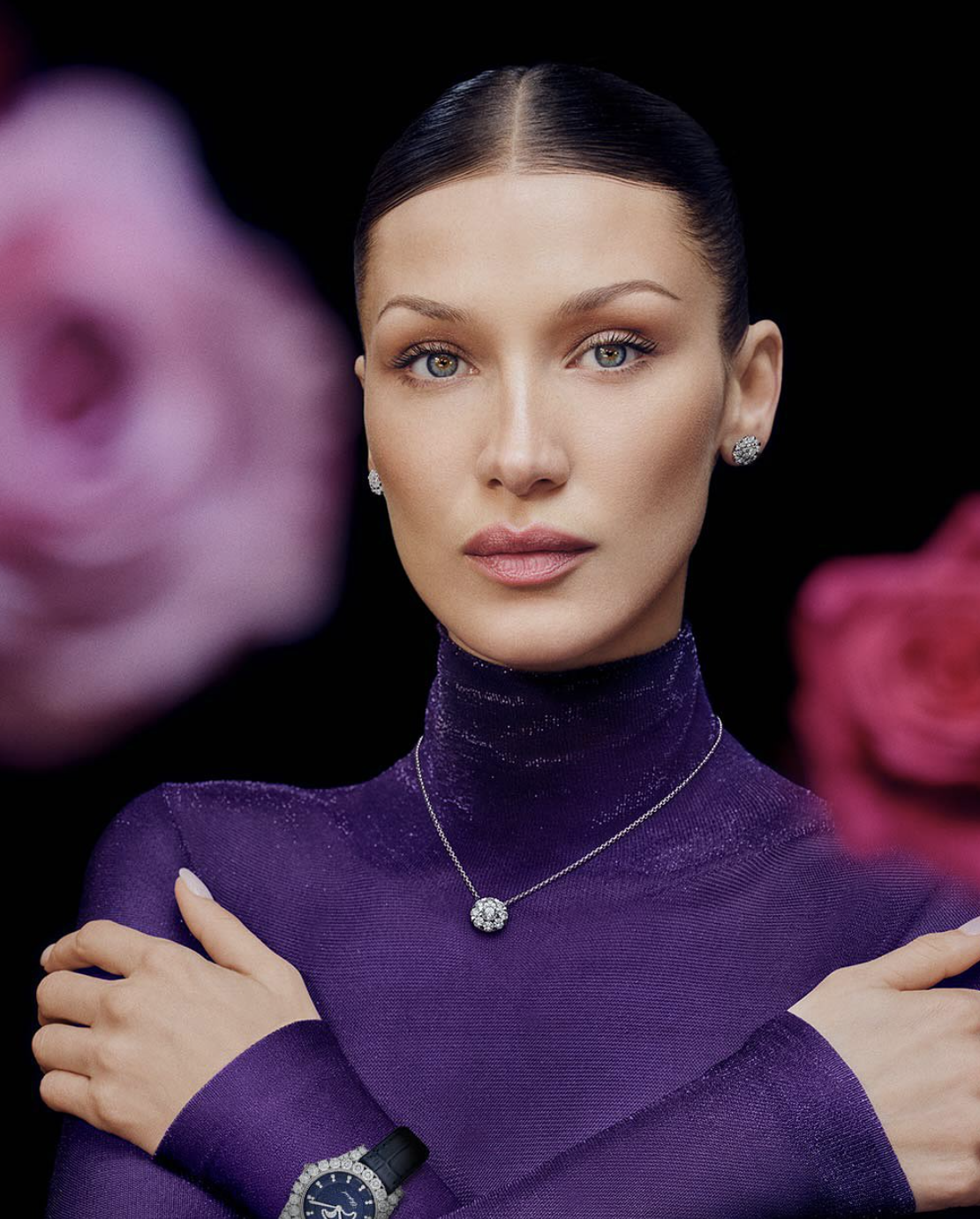
For a while now, the “clean girl aesthetic” has been a trending phrase used to describe a type of look that, specifically girls, can achieve by making themselves “look clean,” or whatever that means. This is normally done through a minimalist “no-makeup” look, along with some kind of slick back bun, simple jewelry, topped with clothing that is casual yet chic. All together, this creates a type of look that has one seeming objectively put together and elegant. The trend started making headway around late 2020 and has quickly progressed to be a mainstream term, often inspired by popular celebrities, like Hailey Bieber and Bella Hadid, for example. For most, this is now a commonly used phrase and I at least see it used all over social media.
So okay, “what’s the big deal about the clean girl aesthetic and, Emily, why are you bringing it up now, years after it’s been popular?”
Lovely question!
This morning, as I looked at my hair and decided it was completely not worth the hassle to try and make it look good, I decided on just slicking it back. But while brushing my hair, forcing it to slick back into a pony tail with some water and hair mousse, it got me thinking, why on earth would we call this clean?
In reality, the clean girl aesthetic is nothing close to clean. A slick back is usually done to either avoid the mess of hair, or if it’s day three of not washing your hair and you’re too tired to clean it, plus the grease is helping create the slickness. The clothing is usually some kind of sweat suit, worn not because it’s cute, but more so because it’s comfy. The minimal makeup is because you’re usually too tired in the morning to even care. It’s all essentially a lie to cover up the fact that nothing about the clean girl aesthetic is actually clean.
But who cares? What’s the big deal if the clean girl aesthetic is actually just being grimey and covering it up?
Well, the actual aesthetic has styles like the slick back bun, for example, that have been historically worn by Black and Latinx communities, that currently have been rebranded as “clean” and now adopted by white influencers, all while the original creators were stigmatized for the look. The trend also puts emphasis on Eurocentric beauty standards that are almost impossible to obtain, especially considering the no makeup look that is unrealistic, as it still requires immense effort to appear “effortlessly” beautiful, and the fact that it can also marginalize those with textured skin, or different body types, who don’t “match” this clean aesthetic. More or less, the clean girl aesthetic makes it impossible for anyone who isn’t white, with clear skin and a thin body, to achieve the look.
While wanting to look clean is not inherently bad or problematic, it’s clear that pushing young women to have and want to look like this aesthetic puts harmful stereotypes in their mind. No young girl or woman should have to think they need to present themselves in a clean way purely because it’s the trendy thing to do.
We even see the clean girl aesthetic fogging up the way we simply view and appreciate certain people, specifically celebrities. For example, look at the current obsession with Olivia Dean. While her music is great, some people are more focused on the fact that she’s “classy” and put together, and that’s what they love about her. So do we only like women, or we only appreciate women more when they look put together? To me, this pushes us into a misogynistic narrative that women must be “well behaved” to be liked. And this is no hate to Dean, but purely a small example of the reality behind what it means to uphold a clean girl aesthetic and the damaging ideas it can create.
We even see this type of behavior when we teach young girls about proper “lady etiquette” and the way women should behave towards others. It can all lead back to harmful ideas of women needing to present as classy and clean to gain a liking from others, specifically men, which not only is misogynistic, as I mentioned, since it forces women in a more submissive position, but also almost impossible to achieve, especially for anyone a part of any minority group.
So, the next time you’re maybe scrolling through Pinterest, or Instagram, and wish you could achieve the perfect “clean girl” look, remind yourself that the aesthetic itself is not only full of lies and false ideas, but also inherently problematic too. Not saying you can’t do a slick back and wear comfy clothes, because I’m currently doing both things right now, but don’t stress over achieving this aesthetic, because its standards and ideals are the opposite of its name.

Emily Nally ‘27 is an English and Creative Writing major with a Women and Gender Studies minor. She is editor of the Campus Voices section and is so excited to be a part of such an immersive organization on campus. Outside of the Weekly, you can find Emily rereading “Little Women,” binge watching “Gilmore Girls,” or being really cool practicing her flute and guitar.