


















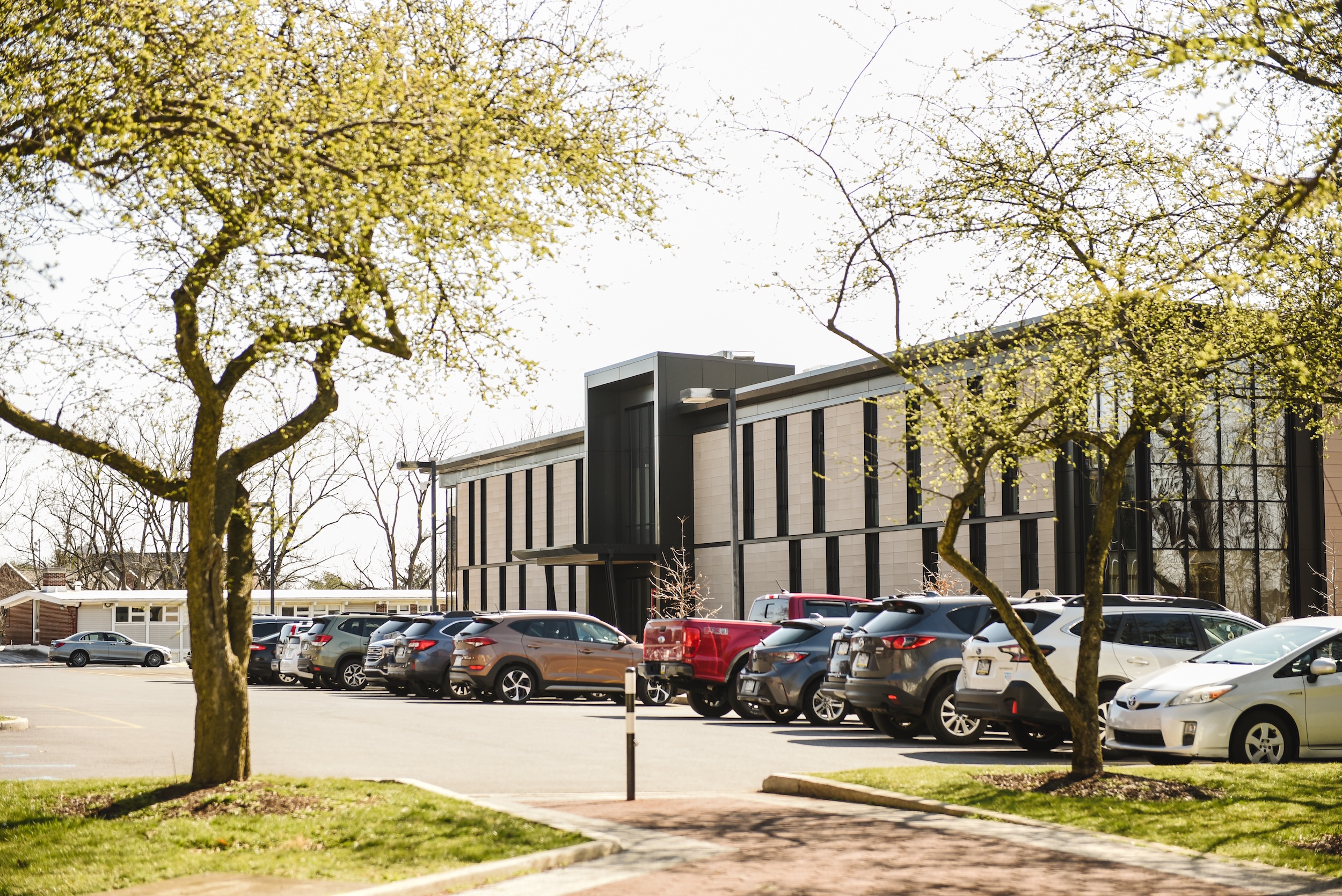
Nestled away in Fahy Commons lies a department of Muhlenberg faculty seldom highlighted on campus, but one that plays a crucial role in student life: The Office of Religious and Spiritual Life. Weighing in on its importance is Janelle Neubauer, director of the office and one of three chaplains alongside Ibrahim Jaaber and Ira Blum. She shared, “It plays a significant role specifically in the lives of students, but there’s unique threads that also support greater institutional experiences and happenings.” Explaining the role the office plays in the Muhlenberg community, Neubauer explains how they “work alongside offices like the Office of Community Engagement, [Muhlenberg Office for Student Access, Inclusiveness and Community (MOSIAC)], Student Life, Prevention Ed[ucation] and a number of offices that really work to support students in their own programming. But particularly, we’re focused on supporting any and all students, regardless of faith, tradition, which could be a religious tradition or honestly, students who would more relate to an ethical or philosophical tradition.”
This support takes many forms, one such being through active communication with the religious organizations facilitated by students. “We have eight student groups that we support and help through what’s called the religious life association. And then our office operates structurally to make sure that each of these eight groups are receiving the institutional support to do their programming, and that looks like helping get things ready for programs, that they can access their Student Government Association (SGA) funds easily, helping to communicate stories of what’s going on between the different groups,” Neubauer, the Christian chaplain, explained. “We bring students from each of those groups together, too, to make sure that the question of a religious identity or a spiritual presence or a faith isn’t just brushed off to the side, but is actually an integral part of who our campus is.” The role the office plays, therefore, has breached far beyond simply addressing religious life– it has worked to bridge the gaps that divide us regardless of their cause.
“The ultimate goal is to facilitate a sense of belonging for every person on campus no matter their identity. I’ve worked to achieve this by showing up for students in what matters to them, listening to their aspirations and concerns and providing timely resources and support,” says Jaaber, the Muslim chaplain. In the perspective of Blum, director of Hillel at the Leffell Center for Jewish Student Life and the third chaplain in the office, the aim of the office is to “challenge and disrupt the overall national and local energy of our time– one of increasing distrust, disgust, despair and fear for our institutions, our leaders and our neighbors.” This focus has been a result of increasing polarization both on and off campus, and creating a culture that allows for open conversation is a key aim. “Our goal is to reactivate the energy and accountability necessary to be in conversation, even when that involves peers and colleagues who hold views or who have made choices that we strongly disagree with. In Religious & Spiritual Life, we see this in student organized efforts that invite diverse experiences and opinions such as Alliances for Justice Active Leadership (AJAL), FILL (Fellowship for Interfaith Learning and Leadership), Bridges and Bridging the Gap,” Blum further elaborates.
This interfaith effort is one that Neubauer values equally, placing a great deal of emphasis on cultivating a culture that is willing to talk through their differences. “We’re taught that there are two things you don’t talk about, right? It’s politics and religion, right? And I actually think we need to be talking about both of those things and listening to one another and hearing what do people really hang their identity on? What do people really value? How do we align, how do we challenge one another? How do we grow together? And where we have our friction, how do we at least know how to sit alongside each other in those differences?”
Ultimately the intention of The Office of Religious and Spiritual life is to be seen as a place that’s accessible to any student who just wants to walk through the door and spark up a conversation, an open door to explore and discuss any tradition they have questions about, religious, spiritual or otherwise.

