



















At Muhlenberg College, the difference between a packed baseball game and a theatre performance goes far beyond the setting. Both environments are filled with energy, preparation and pressure, but the way that energy is expressed and how it impacts performers reveals an important issue for athletes: how crowd atmosphere can directly influence performance.
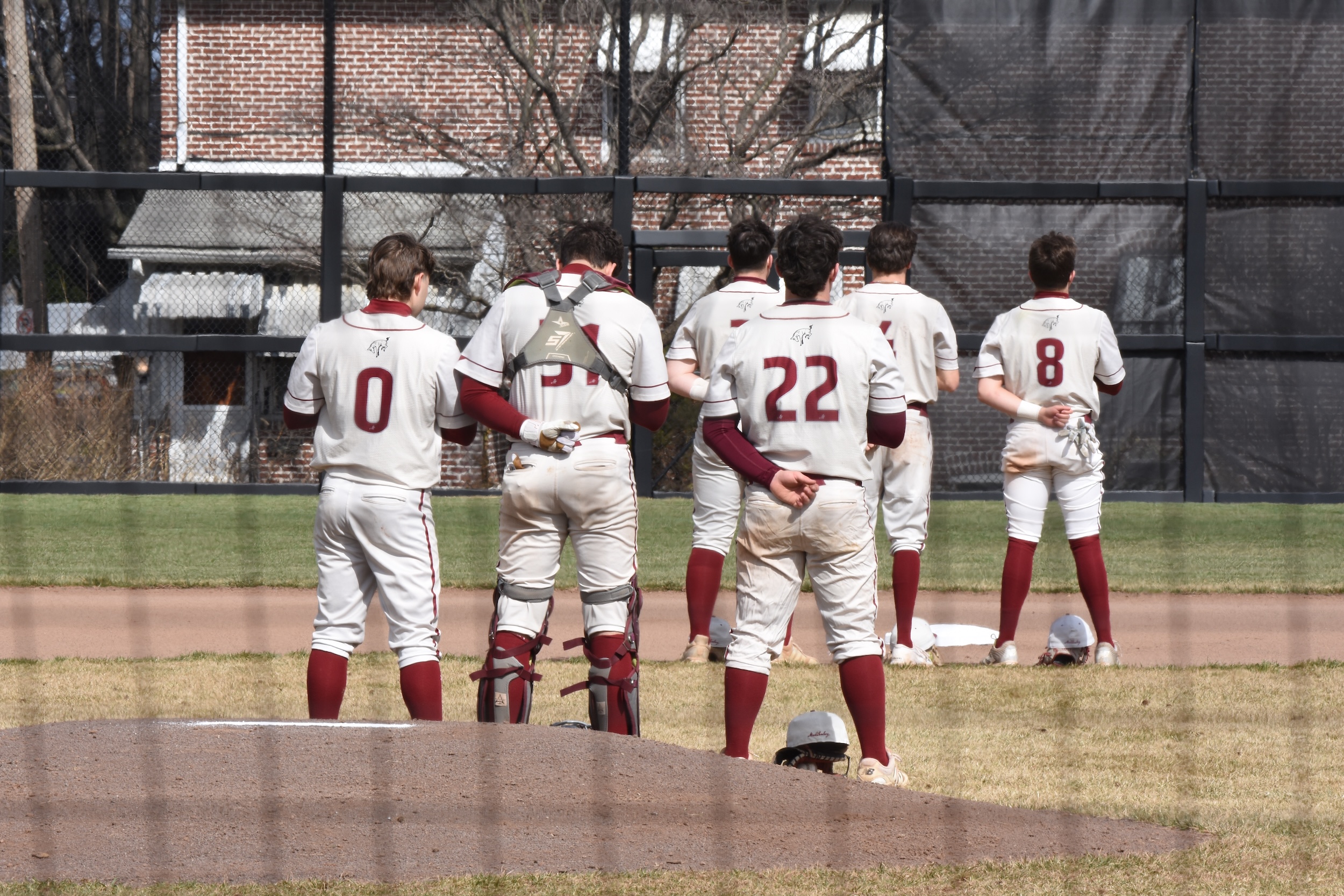
On a warm afternoon in Allentown, that energy was on full display during a 10-9 Muhlenberg baseball game against Penn State Berks. Emmy Bulis ‘29 delivered a clutch run-batted-in (RBI) single to tie the game at 4-4, making the crowd go wild. Moments like that show how much a live audience can shape the outcome of a game. “When most people are loud and into it, it gives you energy,” Bulis said. “It makes you want to come through in big moments.”
That connection between the team and the crowd is one of the biggest factors that separates sports from other campus performances. In sports, the audience is not just watching, they are actively involved. Every cheer, chant and reaction adds pressure and excitement. According to research from the University of Dayton, a supportive crowd can improve home team performance by 5-10%. This idea is often referred to as “home-field advantage,” and it highlights how powerful the atmosphere can be.
One of the most famous examples of this comes from Texas A&M University, where fans embrace the “12th Man” tradition. This treats the crowd as an extra player on the field, showing how deeply the atmosphere can influence performance. While Muhlenberg may not have a stadium as large, the same idea applies on a smaller scale. When the stands are full and loud, players feel it.
For Bulis, that shared energy creates a sense of unity across campus. “Everyone’s there for the same reason,” he said. “You’re all rooting for the same team, and it connects people.” Even students who are not athletes become part of the experience, helping to build momentum that can swing a game in seconds. However, this type of atmosphere also brings pressure.
Unlike practice, where players can focus on repetition and improvement, games are unpredictable. “Practice is hard because we work twice as hard to prepare for moments like these so that during the games all we need to do is go out and have fun,” Bulis explained. However, when the crowd gets loud and the stakes rise, that preparation is tested in real time. This pressure is not unique to sports.
Theatre performers at Muhlenberg experience a similar shift when they move from rehearsal to live performance. Actor Dan Harel ‘26 describes the atmosphere of a theatre production as “nerve-wracking yet thrilling,” when months of rehearsal finally come together in front of an audience. “Everyone is equally as excited to see the performance as the people who are about to perform it,” Harel said.
Unlike a baseball game, where the outcome is uncertain, a theatre performance is carefully planned. Every movement, line and cue has been rehearsed. However, that does not make it easier. In fact, performing in front of a live audience introduces a different kind of pressure. “Rehearsals are lower stakes,” Harel explained. “Those are meant for you and the director to touch up, block, alter and change moments. While you are at rehearsal, it still feels like you are in process.” Once the curtain rises, that process ends. Actors must deliver a finished product, even if something unexpected happens. This creates a unique type of focus.
“For me, once it’s performance time, I really click into place and find myself in ‘the zone,’” Harel said. “I can’t be distracted because I am focused on the goal.” This idea of being “in the zone” connects theatre performers and athletes in a meaningful way, as both rely on preparation but must also adapt under pressure. The key difference is how the audience behaves.
In sports, fans react instantly. A big hit or a crucial play can cause an instant shift in the crowd. That energy can either boost confidence or increase stress. In the theatre, the audience follows a different set of expectations. “In the theatre, people wait to applaud at the end of scenes,” Harel said. “It’s a different kind of respect, and it’s appreciated just the same.”
This difference in audience behavior creates two different atmospheres. Sports are fast and unpredictable, with constant interaction between players and fans. Theatre is more calm and controlled, with energy building in quieter, focused ways. Still, both share one important thing: the audience matters.
Harel noted that having a live crowd adds excitement and raises the level of performance. “Once there’s a live audience, everyone puts in 110%,” he said. This idea highlights a key issue for Muhlenberg athletes: how to handle the emotional highs and lows created by crowd energy. While a supportive audience can improve performance, it can also create pressure that affects decision-making and focus. Learning how to manage that pressure is essential for success.
For athletes like Bulis, that means trusting preparation and staying focused, even when the crowd is loud. For performers like Harel, it means blocking out distractions and committing fully to the moment. In both cases, the ability to stay composed can make the difference between success and failure.
At its best, a great atmosphere brings people together. Whether it is a walk-off hit on the baseball field or a powerful scene on stage, those moments are made stronger by the presence of a packed crowd. In the end, the difference between game day and a theatre performance is not just about noise or traditions. It is about how performers react to the crowd watching them. For Muhlenberg athletes, understanding this can help them play better and more easily handle the pressure.