


















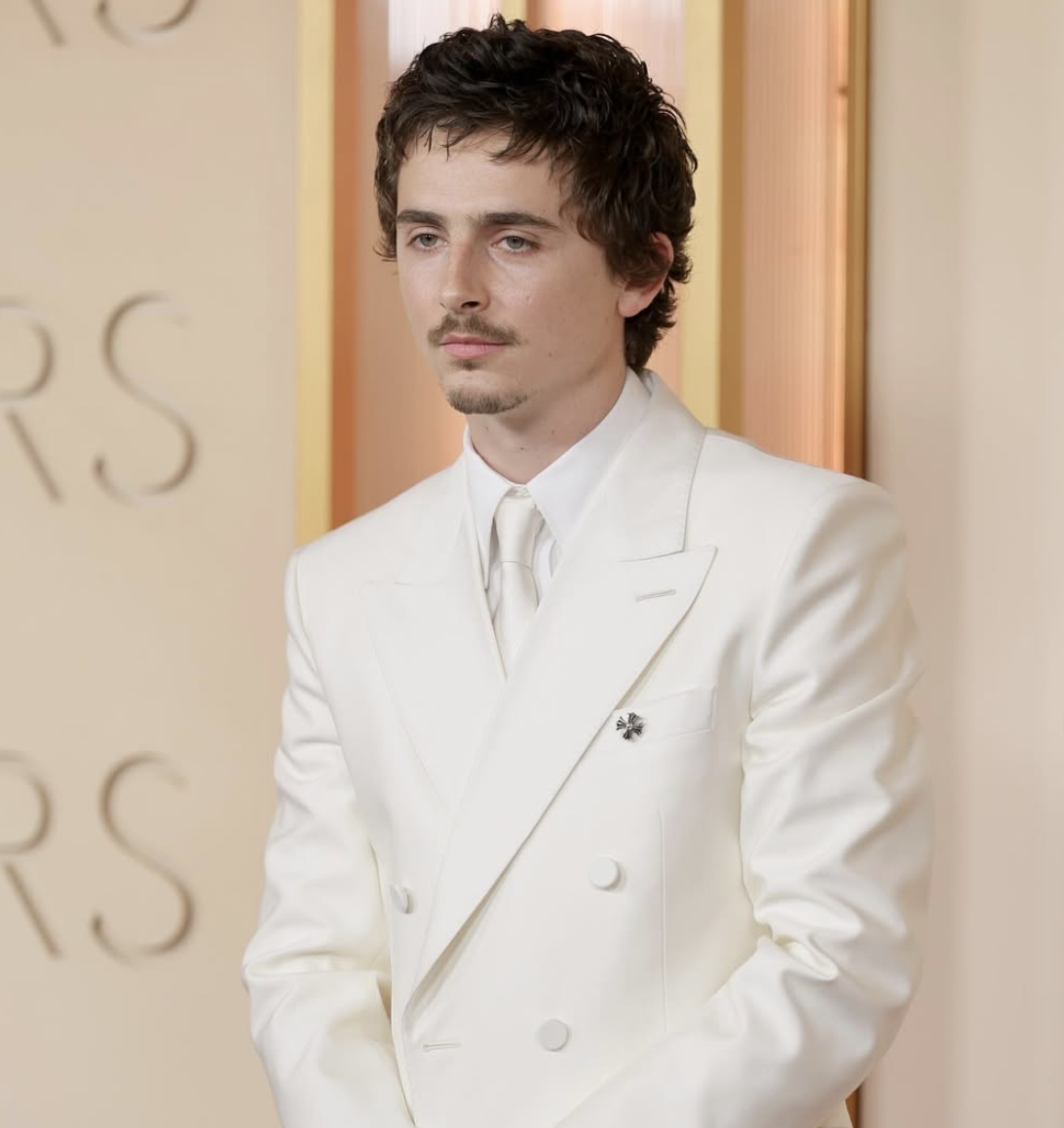
Recently Timothée Chalamet, during a Variety interview with Matthew McConaughey, said, “I don’t want to be working in ballet or opera, or things where it’s like, ‘Hey, keep this thing alive, even though it’s like, no one cares about this anymore.’ All respect to the ballet and opera people out there. I just lost 14 cents in viewership…” His comments led to a flurry of responses on social media platforms like TikTok, where users like Tomatoadm posted videos of Chalamet’s comments with a backdrop of sorrowful music with clips of ballet performances. In the comments of the video, users like random_conten1234 said, “I miss when he was French and quiet” and midsommarvvitch said, “His mother was a former ballerina. His sister attended The School of American Ballet. His grandmother was a professional Broadway dancer. I can’t imagine basically spitting in their faces and saying that what they did and accomplished was basically pointless.”
But is this what Chalamet was saying? While the comments are very blasé, what Chalamet argues in them is not necessarily a slight at the art forms but rather their weight in our culture. His objection is not towards the art of ballet— it is towards being tasked with reviving what are forgotten art forms. This isn’t a moot point; places like the New York City Ballet make the majority of their money from November through December when people attend “The Nutcracker.” If you approached a random person on the street, do you think they could name five ballet or opera performers? Compare this to actors, of whom I am confident an average person would be able to name ten. Chalamet’s opinion is a personal reflection of why he chose to become an actor, not a slight on the profession of ballet or opera. So why did this invoke such strong emotions from the public? It’s because we live in a culture that values moral superiority.
Our culture currently values having the “right” opinion rather than a unique or thoughtful one. Another example is in the 2024 elections when Chappell Roan came out and criticized Democrats for not adequately supporting trans people and avoiding the genocide of Palestians as an issue. Similar to Chalamet, Roan was blasted on major social media platforms. Progressive circles criticized her for possibly hindering Kamala Harris’s campaign and driving votes away. However, watching the video in full, Roan concedes in the end that she does still plan on voting for Kamala Harris, as she does not support Donald Trump. Roan was widely mocked for her opinion, but the points that she made in the video came true in the end as Democrats suffered from their base splintering due to Harris’s lack of support for the Palestinian movement. Instead of rethinking the way that Roan was treated online, hatred towards her has only intensified as people search for a way to justify their anger towards her.
This is what digital culture has devolved into: a mindless machine that punishes those who are outspoken. You cannot have a simple disagreement with someone; it has to always be that your side is right and their side is wrong. Timothée Chalamet hates opera, and if you disagree, then you hate the art form too. There is no room for nuanced thinkers; we all must stick to one side of an argument. When we operate with this understanding of the world, it is so easy to be disappointed in your favorite celebrity. Having a superior opinion to Timothée Chalamet or Chappell Roan doesn’t make you a better person; it makes you a less dynamic one. It is an important skill to internalize someone’s viewpoint and be able to respond to it without degrading them.

