


















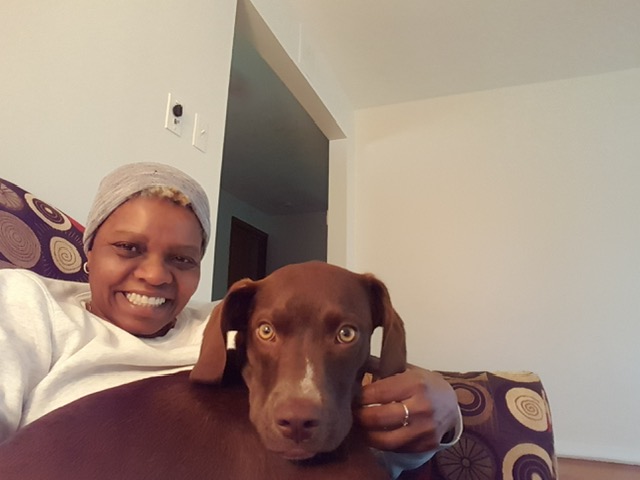
Before pushing boundaries on Muhlenberg’s campus, Robin Riley-Casey was supporting their alma mater at Lourdes University, Ohio, by creating a multicultural center. It was then that Riley-Casey’s mentor suggested they expand their efforts to Muhlenberg College. Muhlenberg had an existing multicultural center developed in 2006, which was pushing three years of progress when Casey joined in 2009. Although even with efforts in making an inclusive and just community, there was still a long way to go. Since 1926, minority students have been advocating to be treated fairly with dignity and respect. Through the years many changes have been made, yet the campus community couldn’t shake maltreatment towards minority communities.
Muhlenberg Memories Project provides digital documentation that educates readers on Muhlenberg’s archived history. The page shares how they have developed their stories using archived history, mainly primary sources, from either oral record or written documentation. The “About the Project” page states, “We value the individual, the singular building or illuminating episode that serves as a micro-history of broader historical currents affecting the culture as a whole. Our pedagogical goal, drawn from theory and praxis, is to bring to light the many stories that await our discovery as we explore primary sources and create digital narratives.”
One narrative they documented is a timeline titled, “Toward Diversity Black Experiences at Muhlenberg College 1926-2021,” highlighting the history of African American students. As the name suggests, this is a timeline of the Black experience at Muhlenberg College between 1926 and 2021.
In the “Evolving” webpage you can read more about the work of Riley-Casey, students and other faculty members from 2007 and 2021. A stand-out initiative was the Oct. 24, 2014 approval of the Five-Year Diversity Strategic Plan. This plan argued for actionable items like increasing the recruitment and retention of faculty of color, expanding student support programs, strengthening diversity in the curriculum and boosting support for marginalized student populations.
“Students in 2014 rallied and demanded that the College put together its first strategic plan for diversity. A powerful movement that brought together students, faculty, staff and administrators– all for the purpose of building a more just community,” shared Riley-Casey.
Riley-Casey highlighted this as a pivotal moment in their experience at Muhlenberg. They had a tremendous amount of respect for the students demonstrating leadership in tangible ways, such as protest and campus wide discussions.
In Riley-Casey’s first decade, spanning from 2009 to 2019, “Together we educated the community on implicit bias, proper pronoun usage and the importance of gender neutral restrooms/resident rooms. We all lobbied for a Spanish language course specifically for heritage speakers,” said Riley-Casey, who served as a mentor to these students, and bridged the communication between them and administration.
That diversity plan led to other massive reforms such as the Student Government Association’s (SGA) first ever diversity chair, which expanded to Greek life, faculty and more. Ensuring no matter who you are and where you are, there will always be an intention to ensure “they know this community is their community.” Riley-Casey emphasizes that their goal is to consistently uplift student voices, connect them with resources in a meaningful manner and ensure they feel seen and represented. More than anything, Riley-Casey consistently demonstrates a proactive willingness to adapt, embracing change in order to better meet the evolving needs of an adaptive student population.
The sentiment is consistent with their approval and involvement in the Office of Multicultural Life’s name change to The Muhlenberg Office for Student Access, Inclusiveness, and Community (MOSAIC). Riley-Casey noticed the multicultural center had low visibility on campus, and felt all students, including some minoritized communities, were not attracted to the center from name alone.
Riley-Casey said, “I’m not interested in words, I’m interested in how these words make you feel and how it attracts you here.” Riley-Casey described that when one hears MOSAIC, it prompts you to think of this facility as something beautiful, dynamic and colorful. They add, “People are always changing and words are too.”
When Riley-Casey first arrived on Muhlenberg’s campus they supported eight affinity groups– Asian Student Association (ASA), International Student Association, Black Students Association (BSA), Comunidad, Feminist Collective, Gay Straight Alliance (GSA), Muslim Student Association (MSA) and Soul Sound Step Team. Now, Riley-Casey works with “18 affinity groups including social/political and performance groups.”
“My role has evolved over time but it is always about working with students. The two most important responsibilities that I have are to support student agency and engage with faculty, staff, students and administration to ensure that marginalized students have access to all of Muhlenberg resources.” shares Riley-Casey. Riley-Casey continues to serve as an unwavering voice championing for students.

