



















My voice aims to mimic, my fingers reach, blindly, desperately towards my mother’s tongue. I pick pocket her words, ears sharp and keen and watch my mouth open and close in the mirror. I cannot express it, the thing inside of me that aches to be expressed, only with her eloquence. The English tongue sillies me, and I am envious of wrinkled hands that crack open seeds, wise eyes blurred behind smoke and speak in a gorgeous Arabic–an Arabic that blends my heart with another, that turns me into a different woman.
I don’t remember when or what, but there was a day among these busy ones where I listened to Wahdon for the first, sweet time. Jazz and sorrow and desperation and realization. Listening to the song, its pits and rises, it was like falling in love and I knew that for me, this song was never going to leave my body. That it had a story. A story that could speak to me–Palestinian and exhausted.
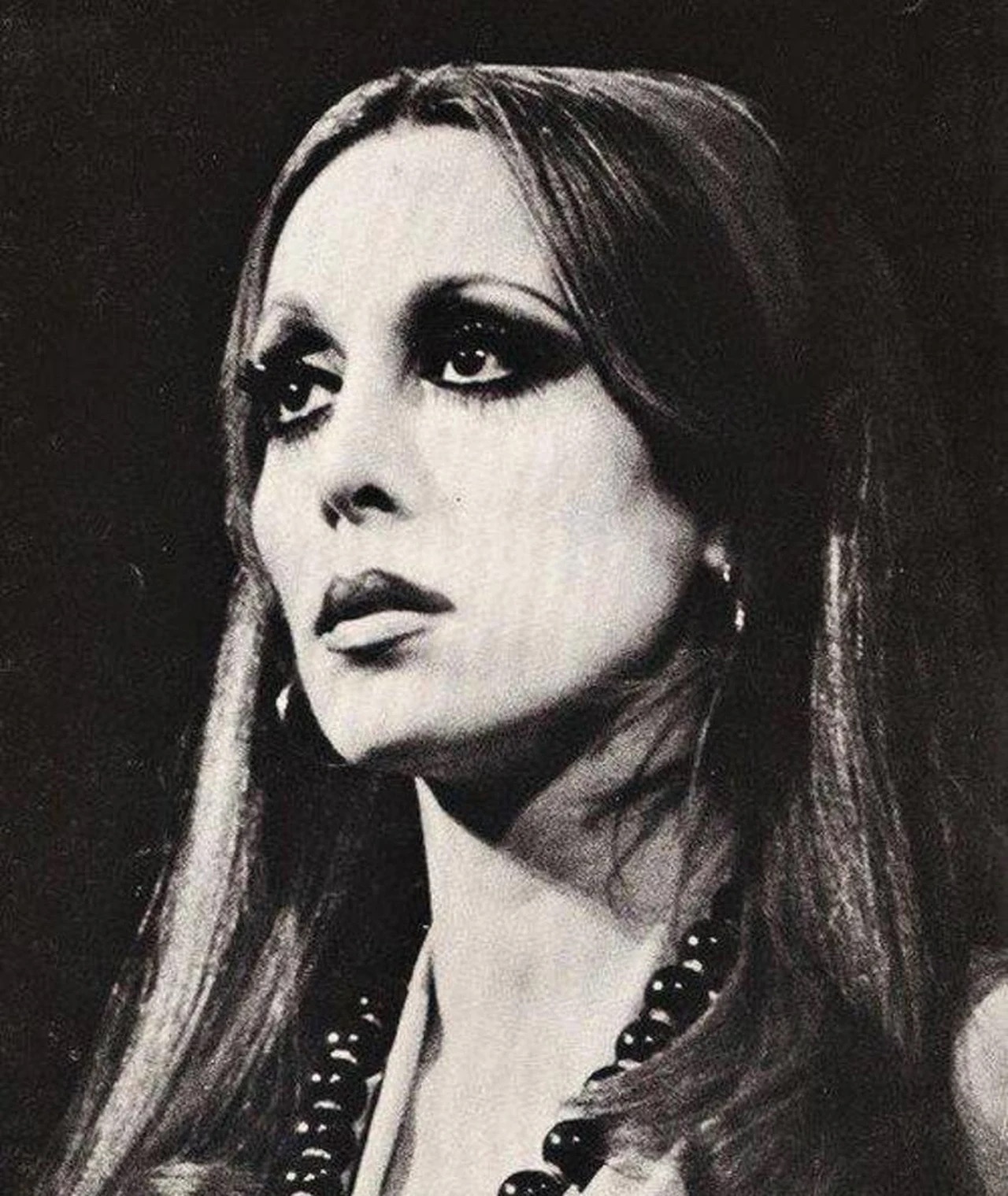
Wahdon translates to “On Their Own” and is made up of piano, strings and the saxophone. It was written by the Arab poet Talal Haidar and sung/performed by Lebanese singer Fairuz, an artist and vocalist so touching, so iconic that the French president visited her in the comfort of her own home. His visit gave us a glimpse of a woman so important, so beautiful in her artistry that she rules the Arab world, and it’s foreseeable, understandable when you are so grand at something, at lyricism, at touching a listener’s skin with your voice, you hide away to breathe.
Haidar is the mastermind behind a piece that brings you face to face with your loneliness, that mirrors it to the coming and going of seasons and brushes away the comfort of your car, your bedroom and leaves you chilled beneath the snow, the blood of a martyr seeping into a white so stark in a warm state.
“You going to the snow, don’t you want to come back?
I cry out for them in the rain in hope that they may listen…”
His intention to title the song Wahdon, “On Their Own”, reflects an Arab world today– a population, a land so discarded by their own and others alike that an Arab’s death is a gnat on your finger, unworthy of a scream of horror. His poems pull from a deep grief, a deep love for one’s land.
Inspiration for the song that calls out into a distance, that depicts a man, a woman, a child rubble in their shoe, dried blood on their nape crying into silence, came from a true story of freedom fighters in 1974. Hesham Badr, a journalist for Scenenoise tells us this tragic tale that seeped into piano keys and a melancholy Fairuz. A forest in Lebanon lay below Haidar’s home balcony and from that balcony Haider would watch three Arab men – a Syrian, Iraqi, and Palestinian – venture in and out of the trees, morning to evening. For days these men would pass by the poet and they became a symbol of a new day, a smile exchanged between a poet and a fighter, the muse and the artist. However, freedom fighters rarely last.
Hadair saw these men in the paper, dead, faces inked into existence. Martyred in Operation Al-Khalisa in Palestine. He breathed life into them in his poem, on their own they became.
Across an ocean, safe and secure, a dark forest an option not a mission I listen to Wahdon, to Fairuz’s distinct voice, to their story and I breathe in the words, the sweet sweet Arabic and let them out, to whoever listens.

Amal ‘28 is a double major in English + Creative Writing and Public Health. She loves to spend her free time writing, reading, and taking walks!