



















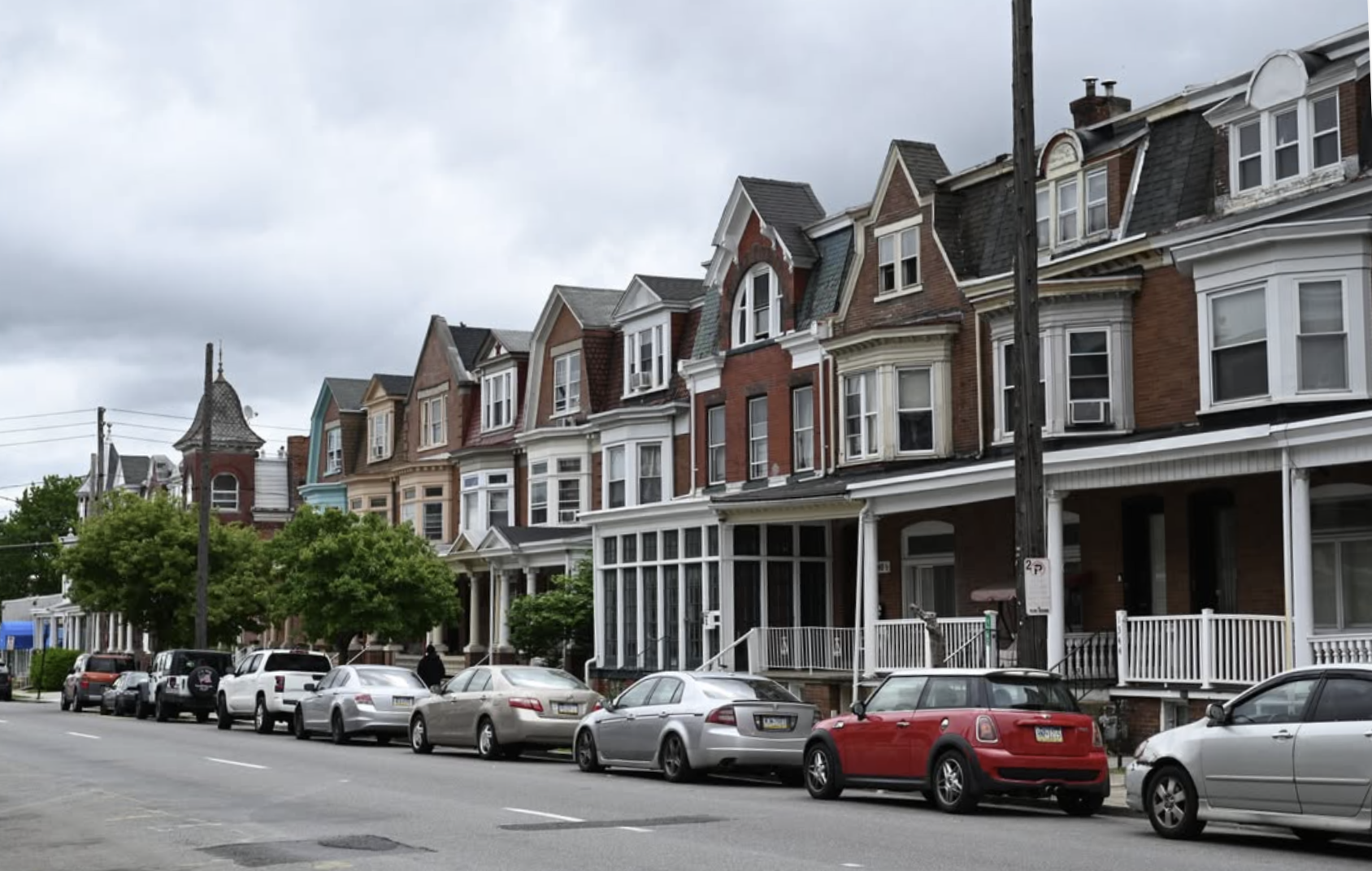
The ‘Welcoming City’ bill was “doomed to fail” from the beginning—or at least, that was what Council member Cecilia (Ce-Ce) Gerlach believed going into the meeting. Having co-sponsored the ordinance, it faced challenges from the offset, with Mayor Matt Tuerk and several council members immediately coming out in opposition. Yet, after hours of public comments and several exchanges between the mayor, council members and the solicitor, a compromise was reached, and the ordinance passed unanimously.
According to the U.S. Census Bureau, over half of the city’s roughly 125,000 residents are of Hispanic or Latino heritage and one-fifth of residents are foreign-born, leading to a significant immigrant population. Gerlach went on to explain that the “bill makes it so that people who are living here undocumented in Allentown and are not committing crimes can live without fear of themselves and their family members being rounded up.”
With the bill coming on the heels of President Donald Trump’s repeated promises of mass deportations and news across the country of U.S. Immigration and Customs Enforcement (ICE) indiscriminately picking up immigrants, including near our own campus, “the people of Allentown are on edge,” Gerlach said.
Introducing the bill initially at the Council meeting on Feb. 5 earlier that evening, Gerlach explained that it would “encourage and mandate that the City of Allentown become a certified ‘Welcoming City’ through [the nonprofit] Welcoming America.” Becoming a “Welcoming City” entails that Allentown would have to intentionally create and promote inclusive policies and programs that support all residents, including immigrants. However, it was this requirement to get certified by another organization that initially drew pushback from her co-council members and Mayor Tuerk, who explained that while he agreed with the bill’s “intent,” he was concerned that it “requires us to tie our administrative policy to an organization over which we have no control,” and “for whom, no obligation exists to the City of Allentown,” not to mention that many of the recommended policies were already being implemented by Mayor Tuerk. These, in addition to other fears of “potentially drawing attention” by other city council members and the city council solicitors agreeing “that the city could potentially be exposed to lawsuits,” made it seem unlikely that the bill would initially pass.
Defending and speaking to the bill’s importance, Gerlach emphasized that she wants everyone to feel comfortable relying on law enforcement. She said it “would be a shame if someone didn’t report a crime because they thought they might be deported by calling the cops” and that it was necessary to codify existing policies because “when something matters, you write it down.” Herein, she repeatedly clarified that the ordinance “wasn’t an attempt to become a sanctuary city,” but rather to ensure “that we are not using our city resources that could be going to parks, playgrounds and public safety,” unless there was a court ordering the city to do so.
However, given the opposition, Gerlach agreed to compromise by amending the ordinance to “suggest” that the city meet Welcoming America’s requirements instead of a “mandate.” While the change left questions unanswered regarding how the law would be enforced, it led to the rest of the council members and the mayor dropping their opposition. Council President Daryl Hendricks then moved to limit public comments to just one minute instead of the usual three to save time which angered some members of the public and advocates.
“Gerlach went on to explain that the “bill makes it so that people who are living here undocumented in Allentown and are not committing crimes can live without fear of themselves and their family members being rounded up.”
Despite these restrictions, the council heard multiple public comments for about two hours. These came from a diverse crowd, including community leaders, religious figures, students and even residents from nearby communities—all of them supporting the legislation. Going up to the council, local activist Pas Simpson criticized the council, saying that he was “disappointed that you decided to limit our comments to one minute, but didn’t do the due diligence to find out all the things you needed to find out for [the ordinance] before having your debate up there, because if you were to do your due diligence, you would have got to hear all three minutes from all of us.”
“I attended the City Council as a pastor and an Allentown resident whose family continues to navigate immigration,” said Rev. Janelle Neubauer, the college chaplain. “I attended in favor of passing this bill as a way of holding the city accountable to seeing humans first, not labels. I learned a lot of information at the meeting about Allentown’s current practices that already align with the bill. I also heard the lived experiences of my neighbors, especially their fear. I believe that striving toward a posture of welcome will require more than words on paper, but that with the ordinance in place, we are creating a means of accountability to that principle and voicing support for our immigrant population. The bill does not safeguard our community, but it does recognize this moment in time and help move more community members to respond with care.”
In an interview with WFMZ-TV 69News, Julian Torres ‘25 reflected that the policy was “personal to [him],” especially “with the fear of this administration and ICE raids, deporting and abducting immigrants, it is very scary.”

Kabir Burman '27 is an international student from India double majoring in media & communication and political science. He is constantly looking for new ways to bring you the stories that matter and feature different perspectives. If you can't find him in the newsroom, you'll find him playing the piano, taking a nap, or planning his next trip to NYC!