



















Throughout the past few years, Muhlenberg College has increasingly prioritized its sustainability efforts, incorporating environmentally conscious practices into its operations and infrastructure. From the construction of Fahy Commons, which has earned some of the most prestigious sustainability certifications in the world, to switching to LED lighting in the lampposts to reduce energy use, the College has continued to invest in a greener Muhlenberg and a greener future. This is corroborated by The Princeton Review ranking Muhlenberg number 31 among its Top 50 Green Colleges for 2026, placing the College among the nation’s leading institutions in its dedication to increasing sustainability practices.
Now, Muhlenberg’s efforts have taken a further step to show its commitment to environmental sustainability. On Oct. 28, 2026, Muhlenberg announced that the Sebree Solar II Energy Center in Henderson County, Kentucky, had officially become operational. The project was developed by a subsidiary of NextEra Energy Resources, in partnership with Muhlenberg and eight other colleges and universities. These schools are located in both Pennsylvania and North Carolina and include Davidson College, Dickinson College, Elon University, Haverford College, Lafayette College, Lehigh University, Muhlenberg College, Swarthmore College and Wake Forest University. Seeking to expand access to renewable energy and reduce greenhouse gas emissions, the schools collaborated on a 20-year Power Purchase Agreement (PPA). Coordinated by Environmental Resources Management (ERM), the world’s largest pure-play sustainability consultancy, which acquired Coho Climate Advisors LLC, the agreement allows the institutions to collectively support a large-scale renewable energy project that would otherwise have been difficult for individual colleges to take on.
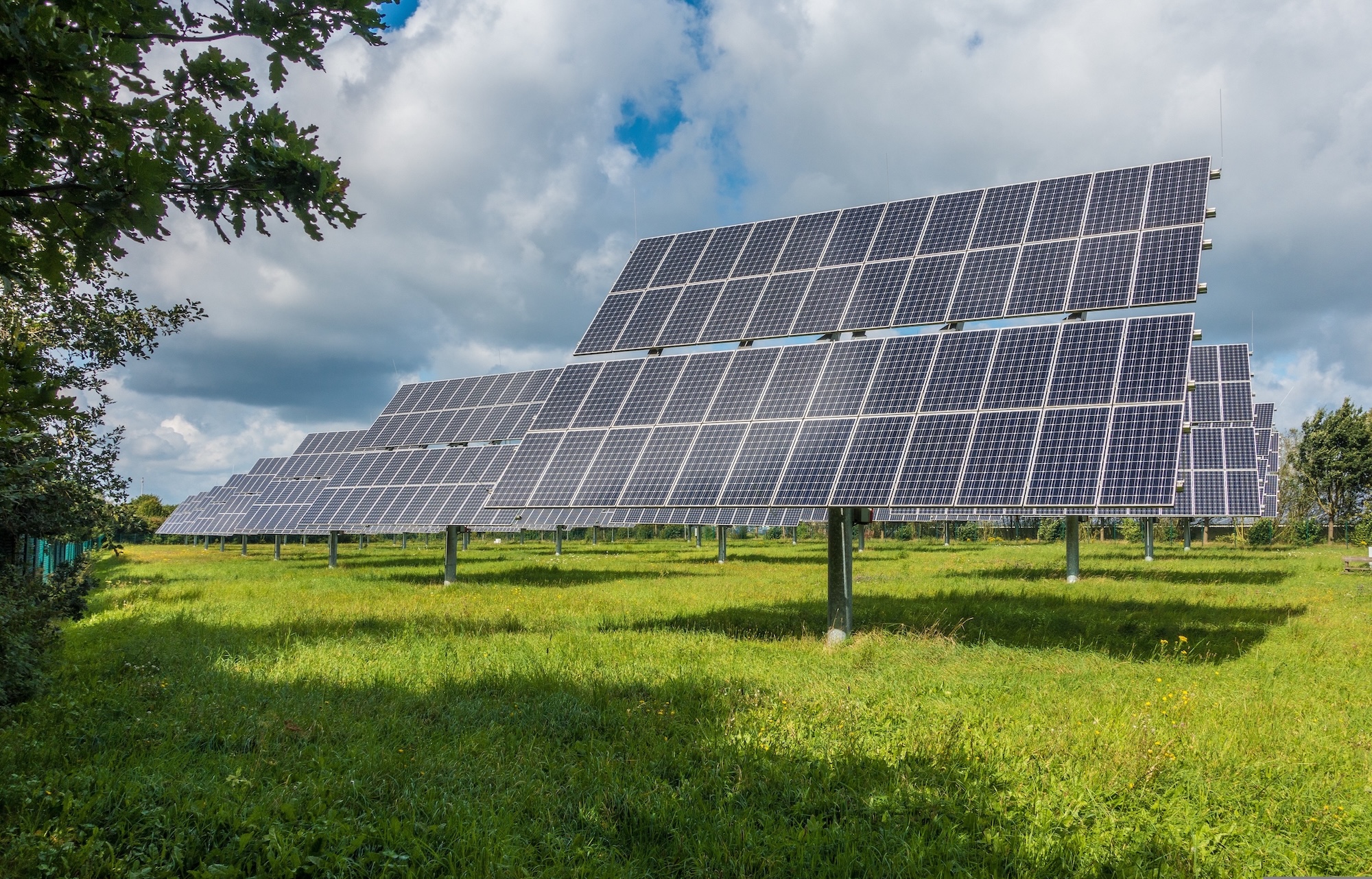
The Sebree Solar II Energy Center became operational on Aug. 7, 2026. The 150-megawatt facility located on approximately 1,000 acres is expected to generate enough electricity to power more than 20,000 homes and contribute over $15.5 million in new tax revenue over its lifespan to support local infrastructure in Henderson County. The project is a part of a larger, two-phase Sebree Solar project that totals up to 400 megawatts.
While electricity generated by the Sebree Solar II Energy Center cannot be transmitted directly to the campuses because the geographic distance prevents the direct transmission of the electricity, the schools will receive renewable energy credits. A Renewable Energy Certificate (REC) is a certificate that represents the environmental benefit of generating electricity from a renewable source. This allows Muhlenberg to offset emissions associated with its electricity consumption.
First announced on April 22, 2024, Muhlenberg’s website stated, “The College’s share in the project will offset 100 percent of its electricity usage, effectively reducing its greenhouse gas emissions from electricity generation to zero.” The College also stressed that Muhlenberg will receive access to data from the Sebree Solar II project for classroom use, campus speaking engagements, site visits and student internships.
When enACT, the environmental action team on campus, was asked if they were aware of the project, their executive board responded, “Some of us heard about it very recently, but previously we were not aware. We want to know more about it!” They also noted how sustainability is often used as a marketing tactic in their desire to learn more, stating, “On-campus initiatives are communicated well, but large-scale offsite initiatives like investments and renewable energy sourcing are less well known.” With the Sebree Solar II Energy Center now operational, Muhlenberg’s sustainability efforts have increased dramatically, though off-campus. The College continues to expand its efforts to contribute to clean energy production.
EnACT stated that this project “demonstrates how Muhlenberg is seriously committed to sustainability, but we would also be interested to see investments in sustainability closer to home in addition to projects like this.”

Amanda Growney ‘28 is a history major on the pre-law track. She is absolutely thrilled to be a copy editor for The Muhlenberg Weekly. When she's not attending classes or club meetings, you’ll find her rewatching “How I Met Your Mother,” watching a sports game, socializing with friends, or sleeping.