



















This article contains spoilers. Read at your own risk.
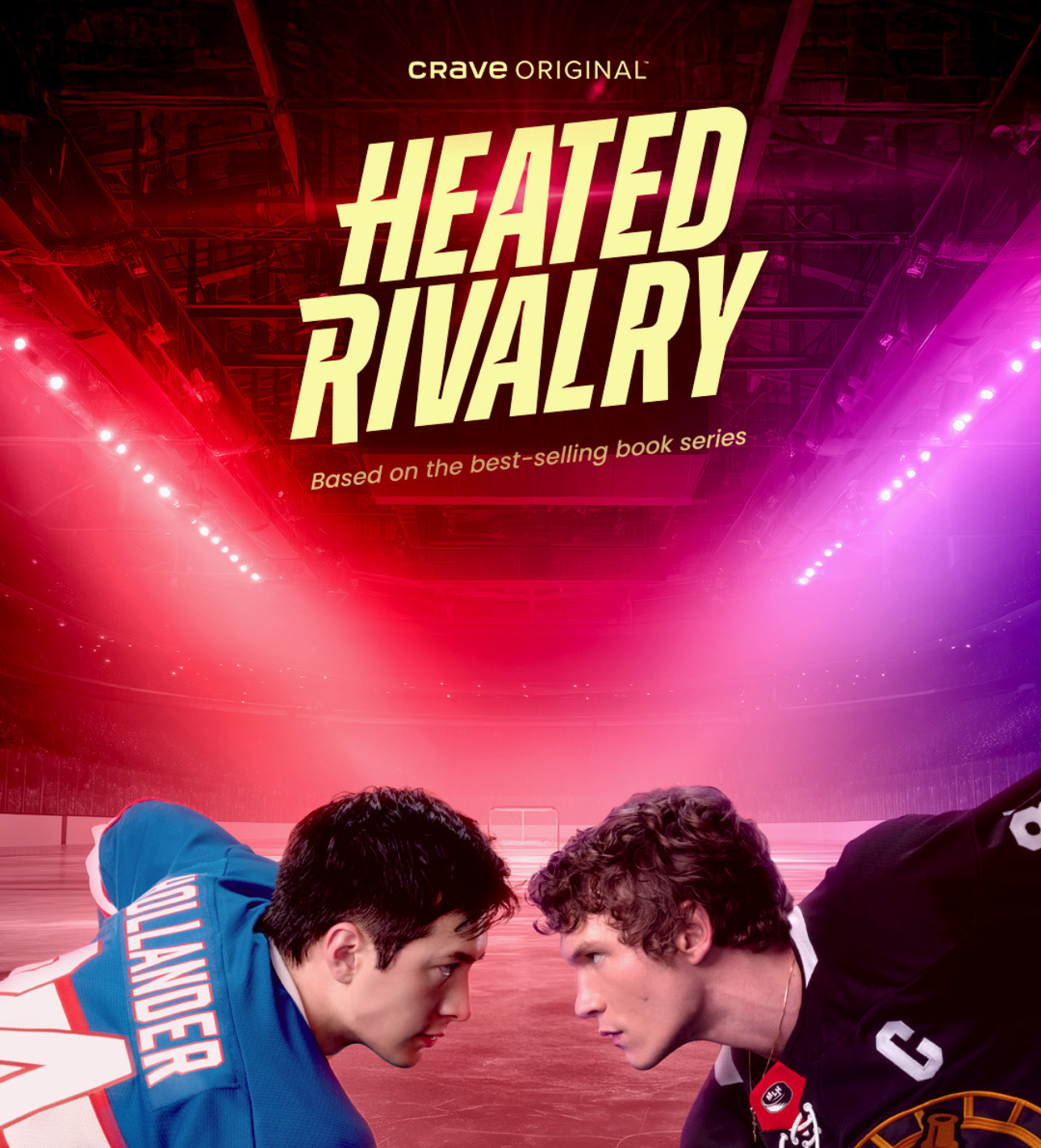
Unless you’ve been actually living under a rock, you’ve probably heard of the newest television phenomenon, “Heated Rivalry.” As the title somewhat suggests, the show entails two male hockey players who are some of the best in the league and are, of course, rivals. What makes their relationship interesting, though, is that for years they’ve secretly formed a romantic relationship with one another, or “situationship” colloquially, despite being the two biggest foes on the rink. Not only does this add tension to their rivalry, but causes tension amongst the sport of hockey itself, where most gay players would never think to come out. Directed by Jacob Tierney, the TV show is based on a book series by author Rachel Reid, titled “Game Changers,” with the first two books being primarily what the show’s plot is based on. The book series currently includes six novels, with a seventh coming this year. The TV show has already been renewed for a second season, which should be coming out in 2027. So as you can see, the show has gained much traction over a short amount of time.
So what’s so special about this series and why does it have fans across the world in such a buzz?
Well, obviously I had to watch the show back during winter break when it started making headway on social media to see what it was all about. At first, I won’t shy from saying episode one and two took me back a bit with the sexual content, but, in all honesty, what show nowadays doesn’t have sex as one of the forefronts of their plot? It wasn’t something I felt was a flaw of the show, nor did I think it was a key takeaway from the show either. Though, after fully watching the series and seeing the online reactions, it became clear that many of its viewers thought the show was straight up porn.
Let’s make one thing clear, if you actually watch the entire season, you know that the plot is so much more than hookup culture: it’s romance. While yes, the beginning of the show entails the excitement and tension of characters Shane Hollander and Ilya Rozanov starting their sexual relationship, it progresses into a genuine love story between the two men, who desperately want to stop hiding their love for each other in a world of sports and toxic masculinity that doesn’t allow for all love to be appreciated. Not only this, but Ilya is also dealing with his home ties to Russia and the culture there that further restrains him from expressing his sexuality freely. The series more or less sheds light on queerness in mainstream sports, something that is rarely talked about due to its obvious stigma.
The show doesn’t just follow the two of them either, but also engages with a separate relationship between another hockey player and a smoothie barista, Scott Hunter and Kip Grady. The way their love starts is also a secret and is finally unapologetically shown at the end of the Stanley Cup Final in episode five, where Scott kisses Kip after winning the game, broadcasted for all to see.
When it comes down to it, the show is a love story at its core. Two men start a hidden “situationship” with each other and yet almost immediately begin to fall in love, panning over ten years of secret meet ups and text messages with fake names and identities to a point where finally, at the end of the show, they confess their love for each other. And yes, sure, there is sex, but if you want to complain about it then you can’t just complain about this show in its entirety, because several other popular TV series have plenty of sex scenes that I’ve never heard anyone complain about before (I’m looking at you, “Bridgerton” fans). Just say you’re uncomfortable with gay love, because obviously that’s what it is!
Now, I won’t sit here and say that this show is the perfect representation of queer love, because of course it’s not, and of course I’m sure there are valid concerns you can point to regarding the show. For example, the audience of this show teeters a thin line of appreciation and fetishization. There is no doubt that, usually straight people, tend to fetishize gay love and specifically gay sex. I think we have seen some superfans of “Heated Rivalry” certainly cross that line, especially in regards to putting pressure on the actors to “come out” or shipping the actors together in real life. It’s important to note that while most fans of the show enjoy it in a way that is respectful, there are surely people out there who are not. Some critics also point out the pacing of the story and its fast moving timeline, which some have found unrealistic or confusing.
I’m sure there are even more troubling aspects of the show that I’m missing, besides the other fact that some feel like it is not an accurate representation of the queer experience, though, in my mind, there is no one right way to show that. Queerness is not one universal experience that each person has a similar relationship with, it’s something that fluctuates from person to person. While the show may not have highlighted one audience member’s own personal queer experience, it could have highlighted someone else’s.
Looking beyond the critiques of the show, it’s clear to see the impact it has had on its viewers. Several professional hockey players have actually reached out to actors Hudson Willams and Connor Storrie, confiding in them the joy they felt when they watched the show and saw people like them being represented on the screen. Many other queer people have taken to social media, even through YouTube reaction videos, saying that watching Shane’s coming out scene resonated with them and made them feel safe and seen. I mean, as someone who watched the show, that scene left me in tears, as did many other moments in the show that were clearly there to make the audience emotional.
And that’s what’s so important about this show and is what’s frustrating when people say it’s only sex. The show is representing a community that has been forced into the shadows for years and is giving hope and bravery to those who resonate with the characters on the screen. That’s what makes this show not “just porn.” Because when all else is said and done, queer people are allowed to have sex and be in love and are allowed to have sex and love represented on a screen.

Emily Nally ‘27 is an English and Creative Writing major with a Women and Gender Studies minor. She is editor of the Campus Voices section and is so excited to be a part of such an immersive organization on campus. Outside of the Weekly, you can find Emily rereading “Little Women,” binge watching “Gilmore Girls,” or being really cool practicing her flute and guitar.